

About CNC Plasma System
CNC Plasma System is a Vanderbijlpark engineering shop focused on heavy industrial gantry plasma systems from 1.5 to 7 metres wide. We build for steel service centres, mines and structural fabricators that need properly planned rail beds, stable gantries and on-site handover that fits real production work.
Built around heavy gantry work
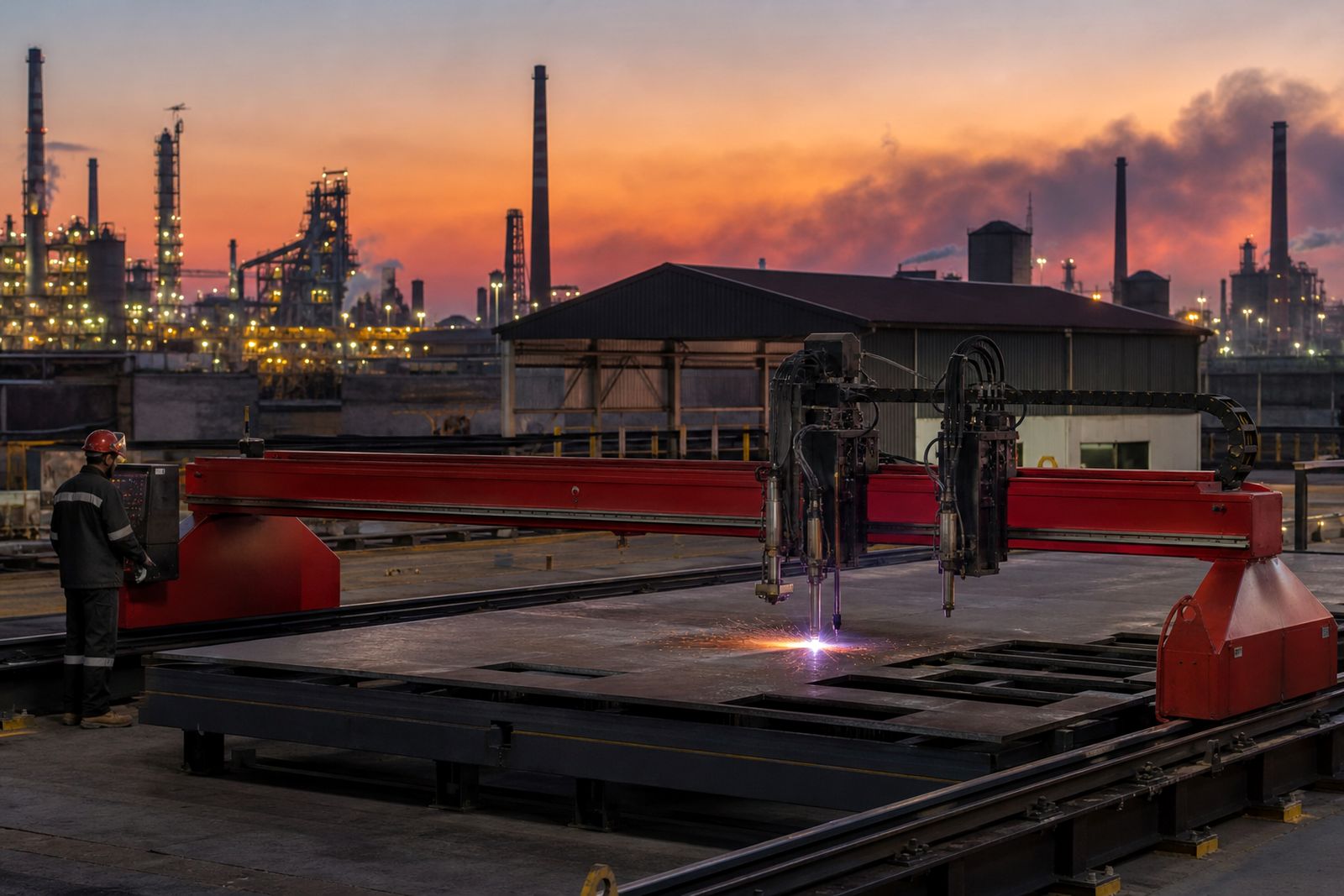
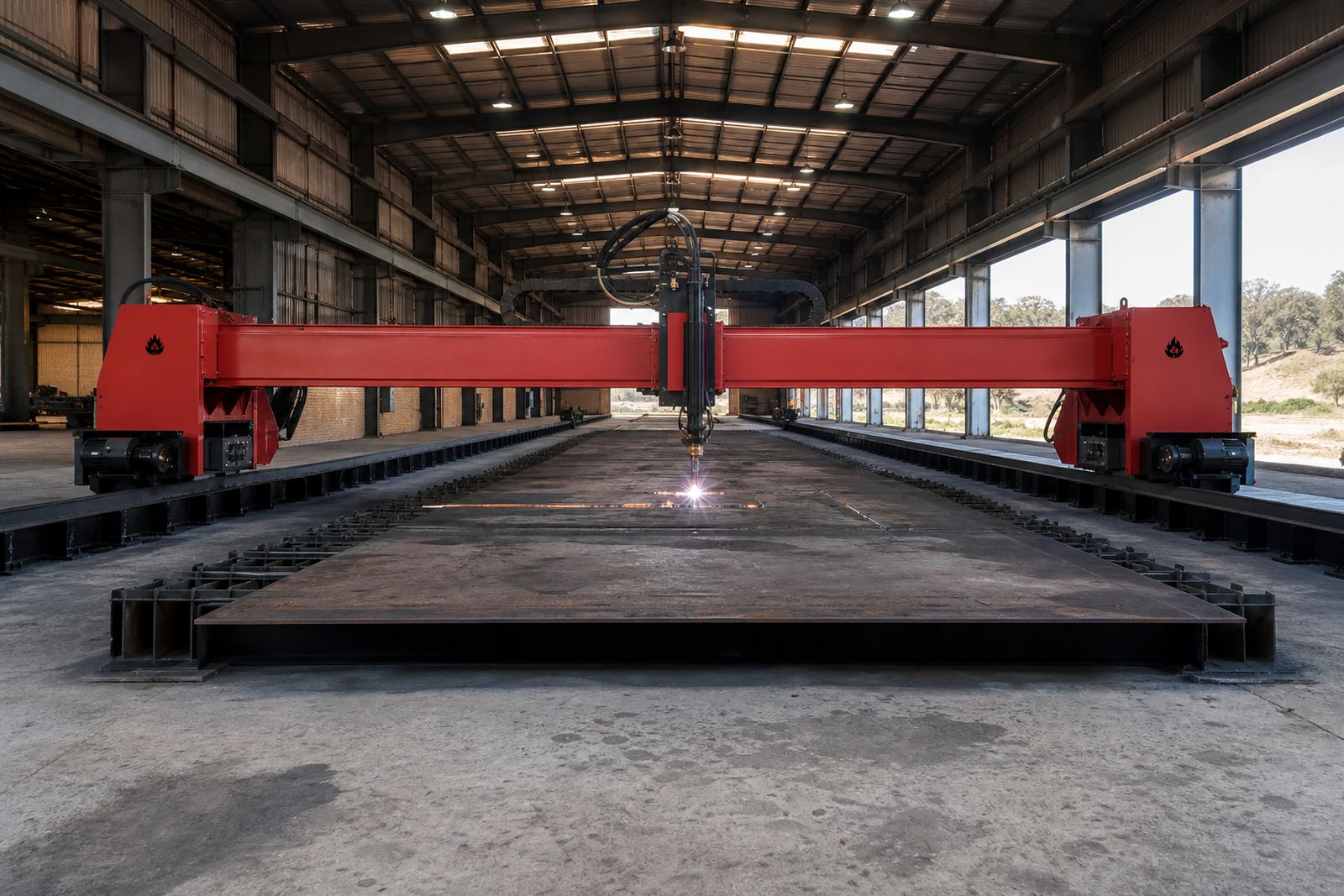
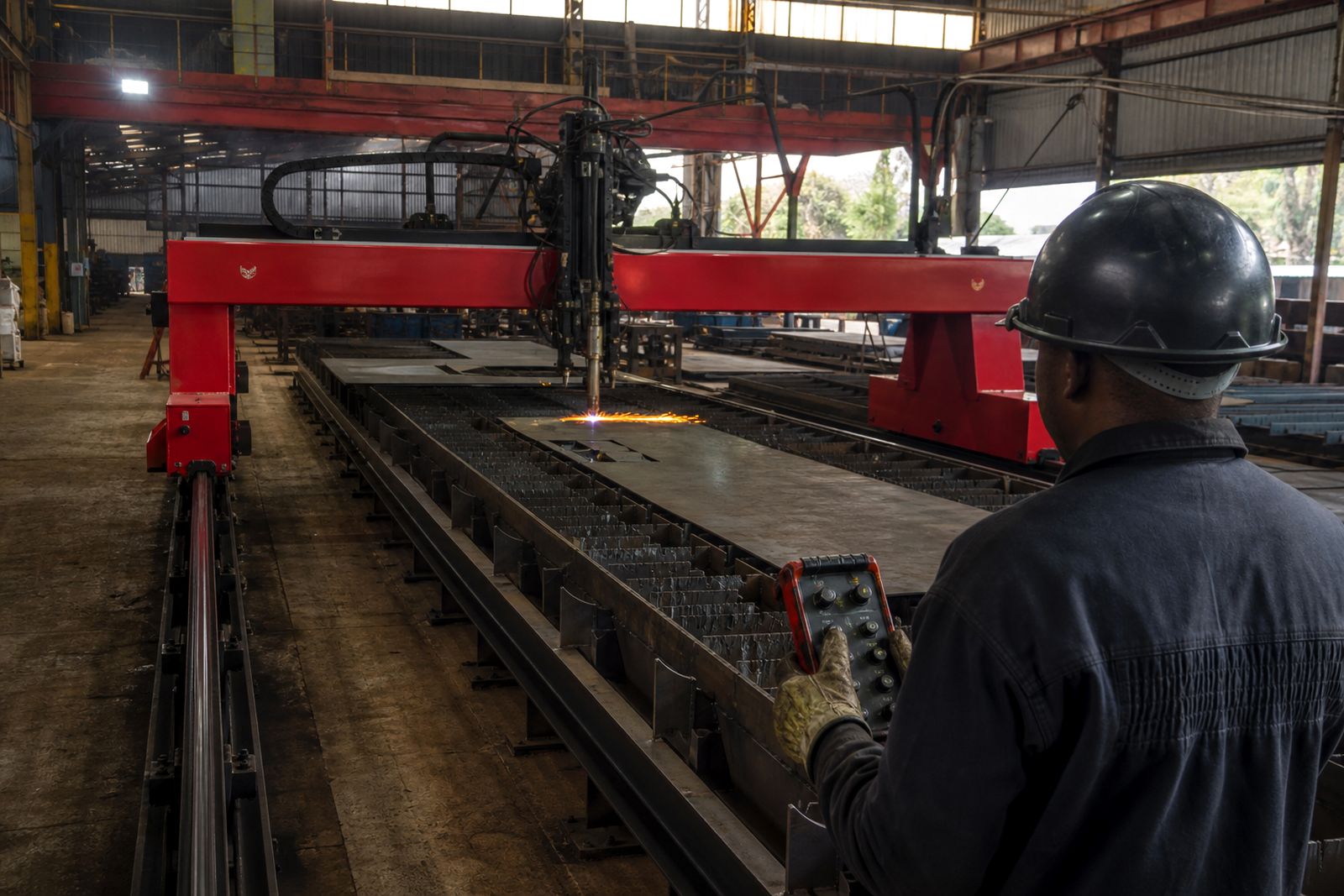
Our work is centred on large-format gantry plasma systems rather than light table machines. The systems we engineer run from 1.5 metres to 7 metres wide, with layouts matched to plate handling, torch count, rail length and the type of cutting done on site. That keeps the conversation practical from the start, because a mine workshop and a steel service centre do not ask the same thing from a gantry.
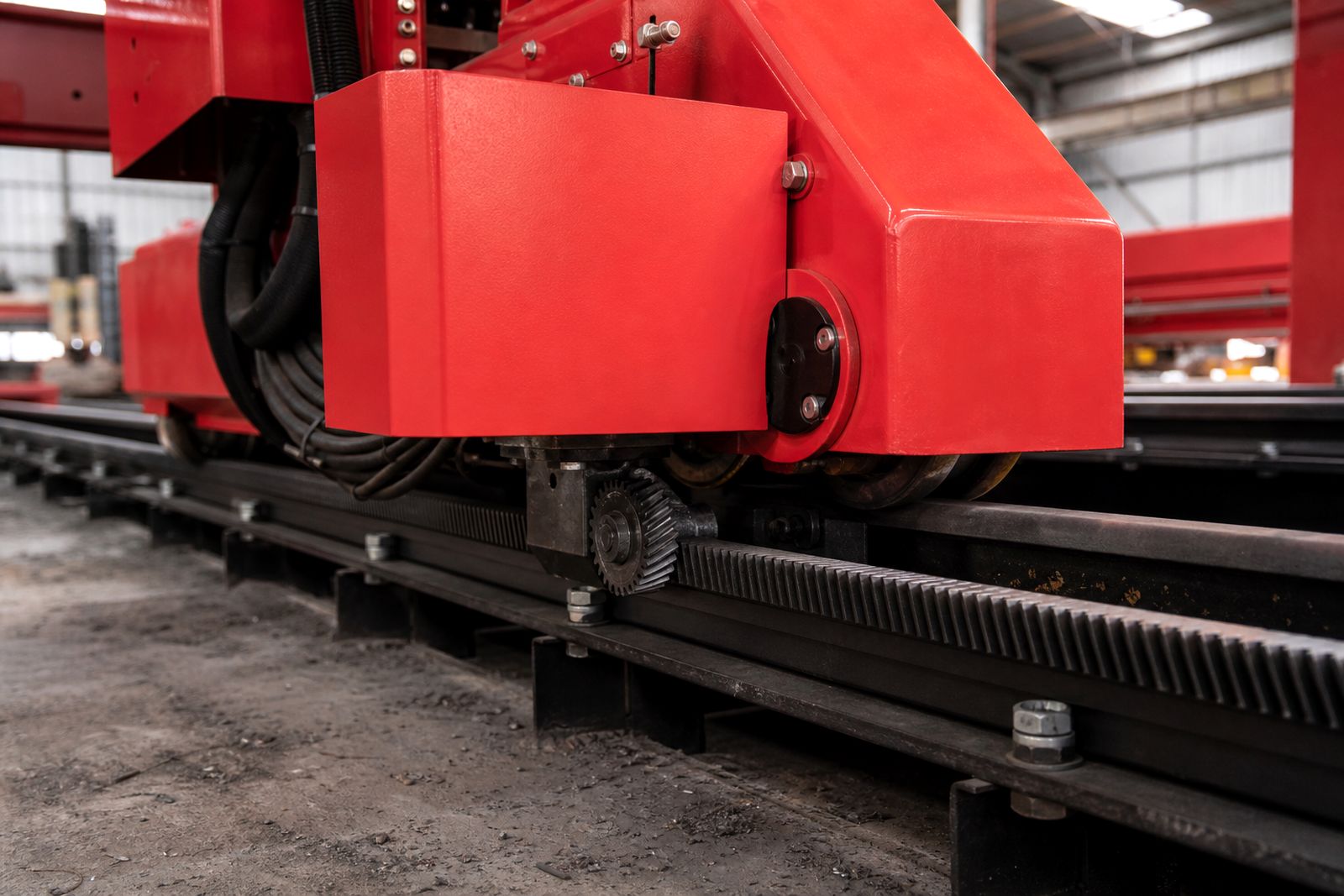
We do not deal in portable cutters, pre-owned machines or small standard beds. The jobs that land on our floor usually involve long rails, heavy end trucks, gear racks, cable management, foundation planning and proper commissioning under factory conditions. In most cases the machine, civil base and rail alignment all need to be planned together.
- Gantry widths from 1.5 m to 7 m.
- Single-drive and dual-drive arrangements.
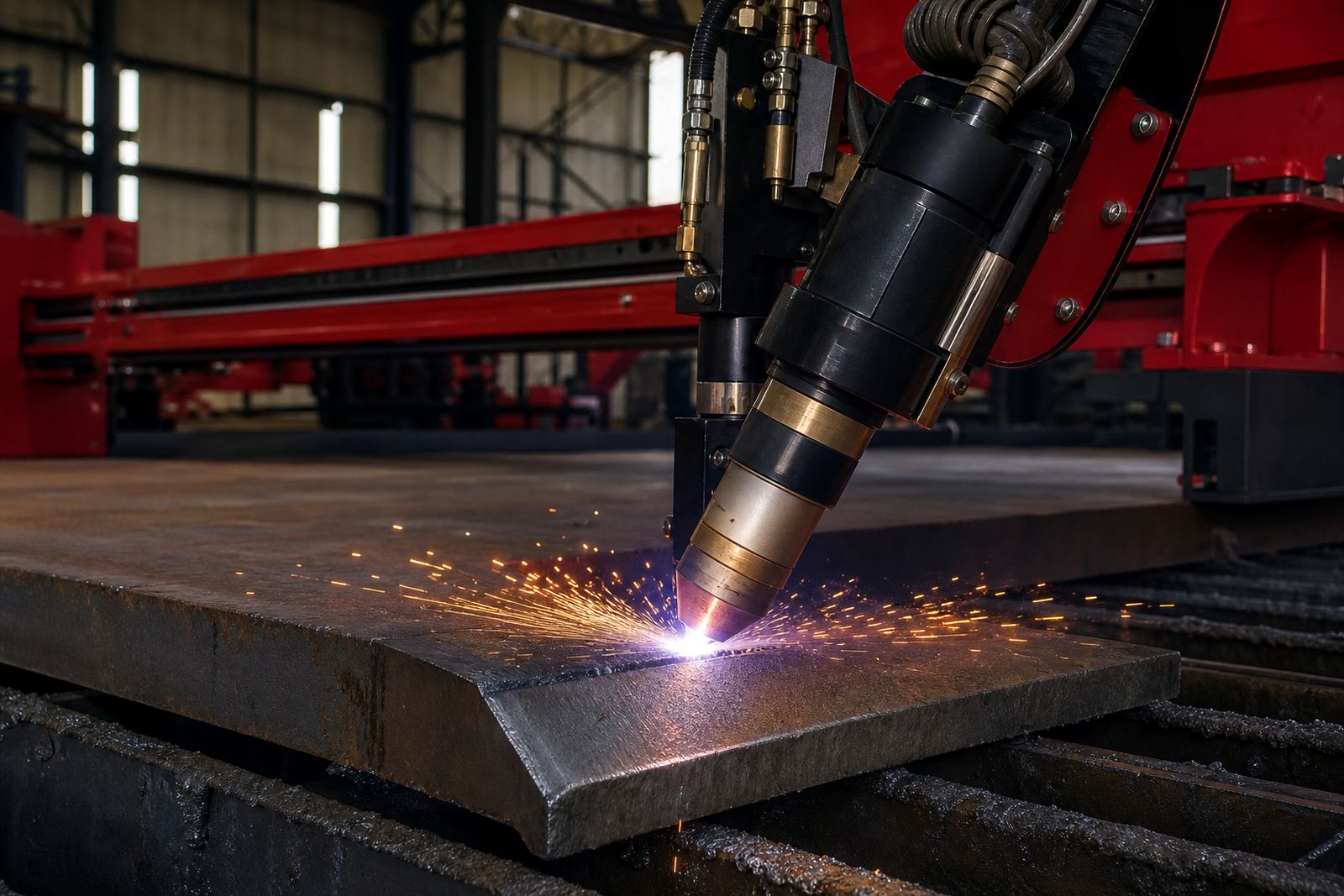
- Multi-torch and bevel head options.
- Rails, racks, end trucks and long-bed travel components.
- Foundation design, installation and operator training on site.
The industries we work alongside
Most projects come from operations that cut steel every week and cannot afford a shaky install. We work with steel service centres moving plate through scheduled production, mine engineering departments cutting wear parts and repair items, and structural fabricators processing long sections for building and plant work. In these places the brief covers machine width, plate size, crane access, operator visibility, fume extraction allowances and rail cleanliness. All of these affect the final layout.
From Vanderbijlpark we install across the Vaal Triangle and wider inland regions including Gauteng, Mpumalanga, the North West, KwaZulu-Natal and the Northern Cape. Site conditions vary a lot. Some shops have smooth new floors and easy overhead access, others need rail pockets cast into older concrete or alignment work around active production areas. We plan for those realities early so the installation does not drift into guesswork.
- Steel service centres with continuous plate throughput.
- Mine workshops needing durable cutting equipment for rough conditions.
- Structural fabricators handling long members and repeat parts.
- Industrial sites where rail alignment and foundations need careful coordination.
How our team runs a project
The team is organised by function rather than title alone. An engineering lead works through gantry size, drive arrangement and torch configuration. A mechanical build team prepares the gantry structure, rails, racks and travel hardware. Installation technicians handle on-site assembly, alignment and commissioning. Where a project includes civil work, the foundation side is coordinated with the machine drawing, and the rail bed and anchor positions are set out to match the layout.
Operator handover forms part of the job. Training covers machine movement, reference points, consumable handling, torch setup, safe starts and stops, and the daily checks that help keep the cut path true. After handover, the same team can assist with service items related to the installed system and its running condition.
- Engineering review before the machine build starts.
- Mechanical preparation matched to the approved gantry layout.
- On-site installation with rail and drive alignment.
- Commissioning and operator training at the client premises.
- Aftercare linked to the installed gantry and its operating setup.
Our Vanderbijlpark shop and office
Our base in Vanderbijlpark supports the kind of work these large machines need. Drawings, parts planning and project coordination are handled through the office, while fabrication preparation and assembly work move through the shop. This split matters because large gantries are not bought as a carton item. They need measured rails, checked running gear, organised packing for transport and a site plan that reflects the actual floor.
Clients visiting the shop can talk through machine width, torch options, rail layout and foundation requirements with people who deal with these components every day. The discussion tends to be direct and fairly technical, which suits buyers who already know how a cutting floor behaves under load. It also helps avoid costly assumptions before concrete is cut or anchors are placed.
From first enquiry to handover
Most jobs begin with a brief through our contact form covering plate size, required cutting width, site location and whether the project is a new install or a replacement on an existing bay. From there we look at the intended gantry width, bed length, drive style, head options and the condition of the floor or planned foundation. If the rail base still needs to be built, that part is addressed before installation dates are fixed.
Once the machine scope is settled, the work moves through engineering, shop preparation and delivery planning. Installation on site includes rail placement, straightness checks, gantry assembly, drive setup and operational testing. Handover only makes sense when the machine is cutting in the actual production environment, so operators are trained on the floor where the gantry will run day to day.
After installation we remain involved on the practical side: alignment questions, wear components, operating checks and site-specific issues that only show up once production starts. It is ordinary workshop support with clear technical input, and it helps the machine stay useful over the long haul.
What clients can expect from the work
The main thing clients should expect is a gantry system engineered for industrial duty, with a purpose-built frame and torch setup for the job. Heavy travel components, sensible rail support, suitable drive selection and realistic commissioning all matter when the machine spans several metres and works through thick plate. On a long bed, small errors grow quickly if the base is rushed.
That is why our scope stays narrow. We focus on heavy gantry plasma systems, the rails and drive hardware that carry them, and the installation conditions that let them cut properly. For workshops planning a new line or replacing an older gantry, the value is in getting the width, structure and foundation decisions right before steel hits the floor.
Questions we get asked
Do you sell small bench plasma cutters?
Our work is limited to heavy industrial gantry plasma systems from 1.5 metres to 7 metres wide, with related rails, racks, foundations and installation.
Can CNC Plasma System handle the foundation side of a project?
We can include foundation design and installation planning so the rail bed, anchors and machine layout are coordinated as one job.
Which areas do you install in?
We work from Vanderbijlpark and the Vaal Triangle, installing for industrial clients across Gauteng, Mpumalanga, the North West, KwaZulu-Natal and the Northern Cape.
Also worth a look
Tell us about the job
Send sizes, materials and where you are through our contact form, and we will come back with the practical options.
Open the contact form